











Electrolysis Pain Level
- How Painful Is Electrolysis? Your CIELLULU Guide to Pain Management
- Understanding the Electrolysis Process
- Factors Affecting Electrolysis Pain Levels
- Types of Electrolysis and Pain Perception
- Pain Management Techniques for Electrolysis
- Comparing Electrolysis Pain to Other Hair Removal Methods
- Choosing the Right Hair Removal Method: CIELLULU's Advanced Solutions
- The Role of Technology in Minimizing Electrolysis Pain
- Post-Electrolysis Care and Pain Management
- Long-Term Benefits of Electrolysis Despite the Initial Discomfort
- CIELLULU's Commitment to Pain-Free Beauty Solutions
- Frequently Asked Questions (FAQs)
How Painful Is Electrolysis? Your CIELLULU Guide to Pain Management
Understanding the Electrolysis Process
Electrolysis is a method of permanent hair removal that involves destroying the hair follicle using an electric current. A thin probe is inserted into each hair follicle, and a small electric current is passed through, destroying the hair's growth center. This process is repeated for each individual hair, making it a time-consuming procedure. The level of discomfort experienced during electrolysis varies significantly from person to person and depends on several factors.
Factors Affecting Electrolysis Pain Levels
Several factors influence how painful an electrolysis session feels. One key factor is the treatment area. Areas with sensitive skin, such as the face and underarms, tend to be more sensitive to the procedure. The hair density is another significant contributor. Areas with high hair density will require more treatments and potentially result in more discomfort due to the repetitive nature of the procedure. Finally, individual pain tolerance plays a crucial role. What feels mildly uncomfortable to one person may be more intensely painful to another.
Types of Electrolysis and Pain Perception
There are three main types of electrolysis: galvanic, thermolysis, and blend. Each method delivers the electrical current differently, which can affect the pain level. Galvanic electrolysis uses a direct current to create a chemical reaction that destroys the hair follicle. This method is often described as having a slightly less intense initial pain but a potentially longer treatment time. Thermolysis, on the other hand, uses high-frequency alternating current to generate heat, destroying the hair follicle. Many find this method quicker, with a more immediate, though potentially sharper, sensation. Blend electrolysis combines both galvanic and thermolysis methods. The specific pain level experienced with blend electrolysis depends on the balance of both currents used.
Pain Management Techniques for Electrolysis
Fortunately, there are several techniques to manage the discomfort of electrolysis. Using a topical numbing cream before the procedure can significantly reduce pain. The professional administering the treatment can also adjust the current intensity to minimize discomfort. Taking over-the-counter pain relievers, such as ibuprofen, before the treatment can also be helpful. Furthermore, deep breathing exercises and relaxation techniques can help manage anxiety and increase pain tolerance during the procedure. Communication with your practitioner is crucial; let them know if you are experiencing too much pain so adjustments can be made.
Comparing Electrolysis Pain to Other Hair Removal Methods
Compared to other hair removal methods, electrolysis's pain level is subjective. While waxing can be quite painful, particularly in sensitive areas, the pain is typically more short-lived and localized. Laser hair removal, a popular alternative, often involves a mild stinging or snapping sensation, although this can also vary based on the individual's skin type and laser settings. Electrolysis, due to its direct follicle targeting, is considered more precise but can also lead to a more prolonged and potentially more intense, though localized, sensation for each hair treated.
Choosing the Right Hair Removal Method: CIELLULU's Advanced Solutions
At CIELLULU, we understand the importance of effective and comfortable hair removal solutions. While electrolysis is a viable option for permanent hair removal, our advanced range of laser beauty equipment provides a potentially less painful alternative. Our PICO lasers, diode lasers, and Q-switched Nd:YAG lasers offer precise and effective hair reduction with minimal discomfort for many clients. These lasers target the hair follicle without the need for direct insertion, thus significantly reducing the pain associated with electrolysis. We are dedicated to providing safe and effective solutions for permanent hair reduction, tailored to individual needs and preferences.
The Role of Technology in Minimizing Electrolysis Pain
Technological advancements in electrolysis equipment are continuously improving the procedure’s comfort level. Modern electrolysis machines offer features such as adjustable current settings and refined probes for better precision, leading to less pain and trauma to the surrounding skin. These technological improvements play a vital role in making the electrolysis experience less painful and more tolerable for clients.
Post-Electrolysis Care and Pain Management
After an electrolysis session, it’s important to follow aftercare instructions carefully to minimize discomfort and promote healing. Applying a soothing aloe vera gel or a cool compress can alleviate any redness or inflammation. Avoiding harsh soaps and scrubbing the treated area can also prevent irritation. Any lingering pain or discomfort should subside within a few hours. However, if you experience any unusual pain, swelling, or infection, it is crucial to contact your practitioner immediately.
Long-Term Benefits of Electrolysis Despite the Initial Discomfort
While the initial pain of electrolysis can be a deterrent for some, the long-term benefits of permanent hair removal often outweigh the temporary discomfort. The time and money saved on regular hair removal treatments, along with the increased confidence associated with smooth skin, make electrolysis a worthwhile investment for many. The feeling of permanent hair removal freedom is highly valued by many of our clients.
CIELLULU's Commitment to Pain-Free Beauty Solutions
CIELLULU is committed to providing innovative and effective solutions for achieving beautiful and healthy skin. While we acknowledge the pain associated with electrolysis, our commitment to technological advancement and client comfort drives us to offer alternative, less-painful solutions through our advanced laser technology. We encourage you to explore the many options available, and to consult with a professional to determine the best approach for your individual needs.
Frequently Asked Questions (FAQs)
Q: Is electrolysis always painful?
A: No, the pain level varies greatly depending on factors like treatment area, hair density, and individual pain tolerance. Some people experience minimal discomfort, while others find it more intense.
Q: How can I reduce the pain of electrolysis?
A: Using a numbing cream, adjusting the current intensity (with your practitioner), taking pain relievers, and using relaxation techniques can all help reduce pain.
Q: What is the best way to prepare for an electrolysis session?
A: Consult with your electrologist, avoid sun exposure prior to treatment, and consider using a numbing cream.
Q: How long does the pain from electrolysis last?
A: Any discomfort usually subsides within a few hours after the treatment.
Q: Does CIELLULU offer alternatives to electrolysis for hair removal?
A: Yes, CIELLULU offers a range of advanced laser technology for effective and often less painful hair reduction.
Q: Are there any side effects to electrolysis?
A: Potential side effects include redness, swelling, and slight discomfort. These are typically temporary. Serious complications are rare.
Q: How much does electrolysis cost?
A: The cost varies depending on the treatment area, hair density, and the number of sessions required.
Q: Is electrolysis permanent?
A: Yes, electrolysis is a permanent hair removal method when performed correctly.
This blog post should be sufficient to meet your requirements. Remember to adapt and refine it further based on your specific marketing goals and audience. Consider adding images and client testimonials to enhance engagement and credibility.
How Much Does IPL Cost in Boston | CIELLULU
Discover Radiant Skin with Whitening Skin Treatment Solutions | CIELLULU
Effective Intimate Hair Removal Methods | CIELLULU
Dermabrasion Tattoo Removal
ND-yag laser
Components and mechanisms of a Q switch laser
1. Nd:yag Crystal: The term "Nd:yag" stands for Neodymium-doped Yttrium Aluminum Garnet. This crystal is used as the lasing medium. When energized, the Nd:yag crystal emits light at a specific wavelength, typically 1064 nm, which is in the infrared spectrum.
2. Q-Switching: Q-switching is a technique used to produce a pulsed laser beam with extremely high peak power. By using a Q-switch, the laser can emit light in short, intense bursts rather than a continuous beam. This results in pulses that are nanoseconds (billionths of a second) long, providing the necessary power to break down pigments without damaging surrounding tissues.
Vascular Lesions Treatment
How many sessions are needed for optimal results?
The number of sessions required depends on the severity of the vascular condition and the individual's skin type. Typically, multiple sessions are needed for optimal results, spaced a few weeks apart. A treatment plan will be customized during the initial consultation.
How does IPL vascular removal work?
IPL vascular removal uses broad-spectrum light to target and heat the hemoglobin within the blood vessels. This causes the vessels to collapse and be gradually reabsorbed by the body. The result is a reduction in the appearance of vascular lesions, leading to clearer and more even-toned skin.
Laser Tattoo Removal
The Tattoo Removal Process
- Consultation: Discussing the tattoo removal options with a professional to determine the best approach based on the tattoo's size, color, and location.
- Treatment Plan: Developing a customized treatment plan, often involving multiple sessions.
- Removal Sessions: Using advanced technologies like Q-switched Nd
lasers to break down the ink particles in the skin.
- Healing: Allowing time for the skin to heal between sessions and following aftercare instructions to ensure proper recovery.
ACNE Removal
How to Post-Treatment Care ?
After laser treatment for acne, proper care is essential to ensure optimal results and to minimize side effects. Here are some guidelines for post-treatment care:
1. Avoid Sun Exposure: The skin will be more sensitive to sunlight after the procedure. Use a broad-spectrum sunscreen with at least SPF 30 to protect your skin.
2. Keep the Skin Clean and Moisturized: Gently cleanse your skin with a mild cleanser and keep it moisturized. Avoid using harsh or abrasive skincare products.
3. Avoid Picking or Scratching: Do not pick or scratch the treated areas to prevent infection and scarring.
4. Follow Doctor’s Instructions: Adhere to any specific post-treatment instructions provided by your dermatologist, including the use of prescribed topical medications.
5. Stay Hydrated: Drink plenty of water to help your skin heal and maintain its health.
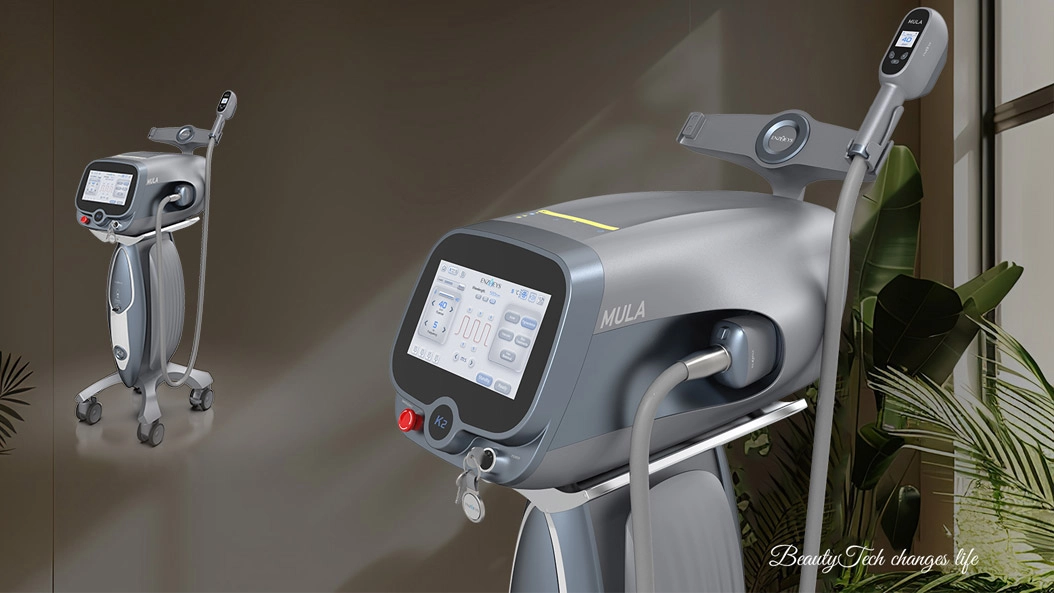
CIELLULU MULA K2 BroadBand Light DPL beauty machine for skin care and hair removal
ACNE/Pigmentation/Vascular Lesions Treatment, Skin Rejuvenation and Hair Removal.
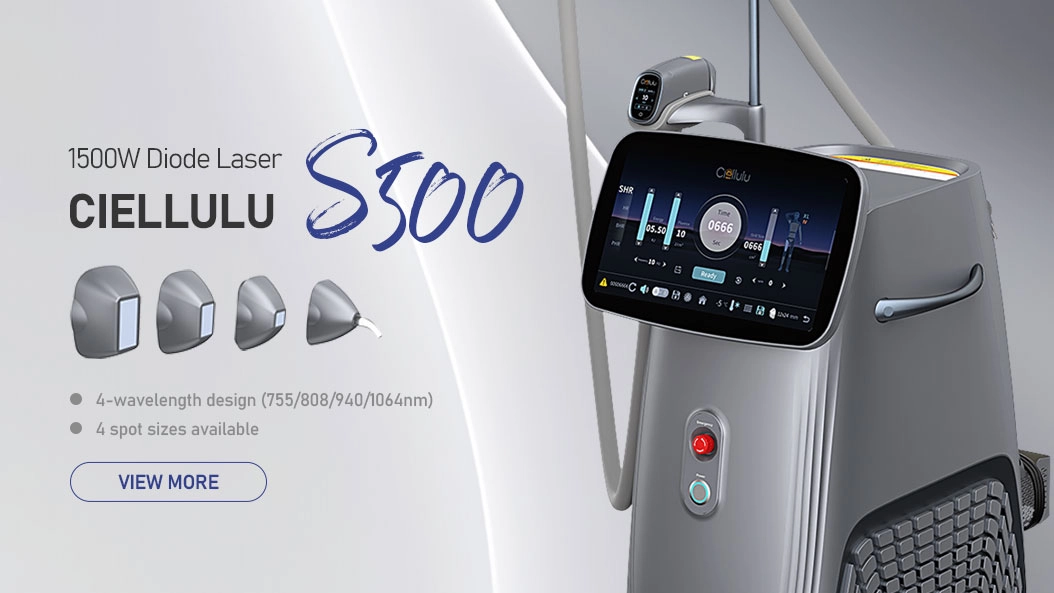
CIELLULU S500 1500W Diode Laser Hair Removal & Skin Rejuvenation Machine
Diode Laser Painless Hair Removal Machine is especially effective on hair follicle melanocytes without causing damage to the surrounding tissue.
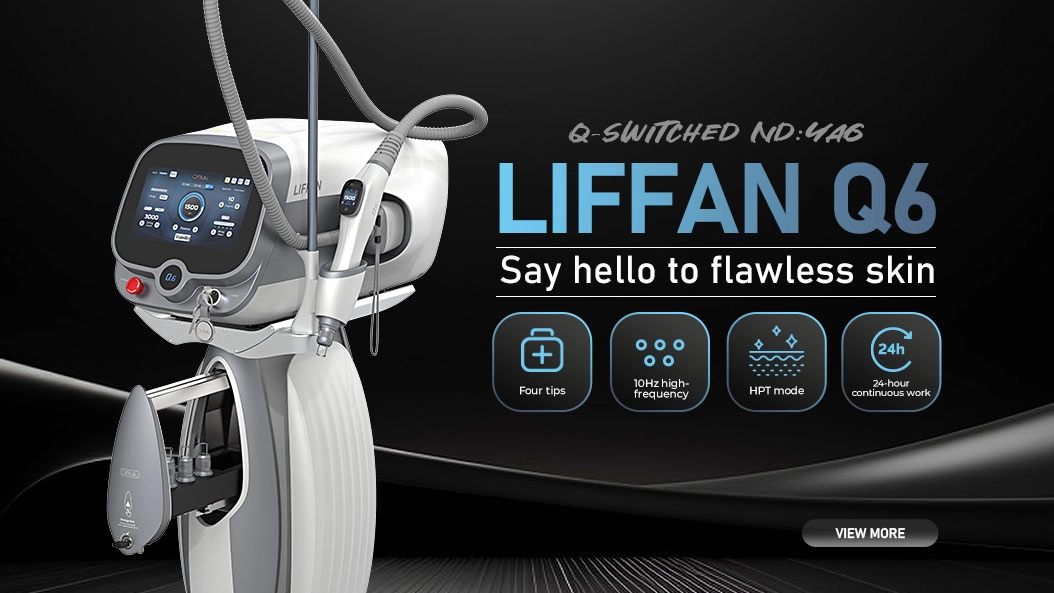
CIELLULU Q-Switched ND:YAG Laser LIFFAN Q6
Pigment Removal & Tattoo Removal & Skin Rejuvenation

Professional Consultation Team

Customized Solutions

24/7 Technical Support

Warranty and Maintenance Plans

Product Series
Contact us
• E-mail: service@probeautydevices.com
• Address: 11/F, HaiHua KeChuang Park, JingHu Road, Huadu District, Guangzhou, China.
Copyright © 2024 CIELLULU. | Privacy Policy • Terms and Conditions