










How to Identify Hormonal vs Bacterial Acne | CIELLULU
- How to Tell if Acne Is Hormonal or Bacterial?
- Understanding Acne
- 1. Hormonal Acne
- Characteristics:
- 2. Bacterial Acne
- Characteristics:
- Diagnostic Considerations
- Hormonal vs. Bacterial Triggers:
- Consultation and Testing:
- Treatment Approaches
- Hormonal Acne Treatments
- Bacterial Acne Treatments
- Conclusion
How to Tell if Acne Is Hormonal or Bacterial?
Acne is a prevalent skin condition affecting individuals of all ages. For skincare professionals, understanding whether acne is hormonal or bacterial is crucial for effective treatment. This article outlines key distinctions, helping you provide optimal care.
Understanding Acne
1. Hormonal Acne
Hormonal acne commonly affects adults and is often linked to fluctuations in hormones such as androgens. These hormones increase oil production in the skin, leading to clogged pores. It's prevalent in women and often resurfaces around the menstrual cycle or during hormonal changes like pregnancy and menopause.
Characteristics:
- Occurs predominantly on the lower part of the face (jawline, chin, neck).
- Often presents as deep, cystic lesions.
- Can worsen during stress or monthly cycles due to hormonal spikes.
2. Bacterial Acne
Bacterial acne results from an overgrowth of bacteria, specifically Propionibacterium acnes (P. acnes), within clogged hair follicles. This type is more common in teens but can affect adults as well.
Characteristics:
- Appears as blackheads, whiteheads, or pustules.
- Can occur anywhere on the face or body.
- Often a result of excessive oil production and poor skin hygiene.
Diagnostic Considerations
Hormonal vs. Bacterial Triggers:
- Hormonal Triggers: Look for cycle patterns, stress levels, and age or life-stage factors.
- Bacterial Triggers: Assess skincare routines, hygiene habits, and potential presence of excess oil or debris.
Consultation and Testing:
- Thorough patient history and lifestyle assessment.
- Consider hormonal assessments if suspected triggers are cyclical.
- Swabs and cultures can confirm bacterial involvement under professional guidance.
Treatment Approaches
Hormonal Acne Treatments
- Prescription Medications: Such as oral contraceptives or anti-androgens (e.g., spironolactone).
- Skincare Regimen: Incorporation of non-comedogenic, hormone-balancing products.
- Lifestyle Adjustments: Stress management and dietary considerations, such as reducing high glycemic foods.
Bacterial Acne Treatments
- Topical Antimicrobials: Benzoyl peroxide or antibiotics to reduce bacteria on the skin.
- Skincare Regimen: Emphasis on gentle cleansing and exfoliation to maintain clear pores.
- Professional Interventions: Regular extractions and chemical peels can be beneficial.
Conclusion
Recognizing the nature of acne—whether hormonal or bacterial—empowers skincare professionals to tailor treatment plans accurately. By understanding these distinctions, you can guide clients toward clearer skin and enhance their overall skincare experience with precision and care. At CIELLULU, we are committed to supporting professionals with the knowledge and tools needed to address acne confidently and effectively.
By equipping yourself with this expertise, you're ready to transform your skincare practice, ensuring that clients receive the best care possible for their acne concerns.
How Much Do Laser Machines Cost? | CIELLULU
Prevent Aging Spots Naturally | CIELLULU
Fungal Acne Treatment Insights: Discover Effective Solutions | CIELLULU
Effective IPL Laser Treatment for Rosacea: A Comprehensive Guide by CIELLULU
Diode Laser
What are the common applications of diode lasers?
Hair Removal: Diode lasers are widely used for permanent hair reduction as they effectively target the melanin in hair follicles.
Skin Rejuvenation: They can treat skin conditions such as pigmentation, acne scars, and wrinkles.
Medical Procedures: Diode lasers are used in surgeries for cutting and coagulating tissue.
Industrial Uses: They’re also applied in welding, cutting, and engraving materials like metals and plastics.
Pigmentation Removal
What should I expect during an IPL treatment session?
During the session, a cooling gel is applied to the treatment area. The IPL device is then moved across the skin, emitting light pulses. Patients may feel a slight warming or tingling sensation.
Skin Rejuvenation
What are the benefits of skin rejuvenation?
Skin rejuvenation offers several benefits, including improved skin texture, even skin tone, reduced fine lines and wrinkles, enhanced elasticity, reduced acne scars, and a brighter complexion.
Improved Skin Texture: Treatments can smooth out rough or uneven skin, resulting in a softer and more refined texture.
- Even Skin Tone: Rejuvenation techniques help reduce hyperpigmentation, sunspots, and redness, leading to a more uniform complexion.
- Reduced Fine Lines and Wrinkles: By stimulating collagen production, skin rejuvenation treatments can minimize the appearance of fine lines and wrinkles.
- Enhanced Elasticity: Increased collagen and elastin production restores the skin's firmness and elasticity, giving it a more youthful appearance.
- Acne Scar Reduction: Certain rejuvenation treatments can diminish the appearance of acne scars and other blemishes.
- Brighter Skin: Overall skin brightness is enhanced as the treatments promote cell turnover and remove dead skin cells.
How long do the results of skin rejuvenation last?
Results can be long-lasting, especially with proper skin care and sun protection. Maintenance sessions may be recommended to prolong the benefits.
Laser Tattoo Removal
Benefits of Q-Switched Nd:YAG Laser
- Effective on Various Ink Colors: The laser can target a wide range of ink colors, including black, blue, green, and red, which are often challenging to remove with other methods.
- Minimal Risk of Scarring: The precise targeting minimizes damage to surrounding skin, reducing the risk of scarring.
- Short Treatment Sessions: Each session typically lasts only a few minutes, making the process convenient.
- Gradual Fading: The tattoo fades gradually over several sessions, providing a more natural and less noticeable transition.
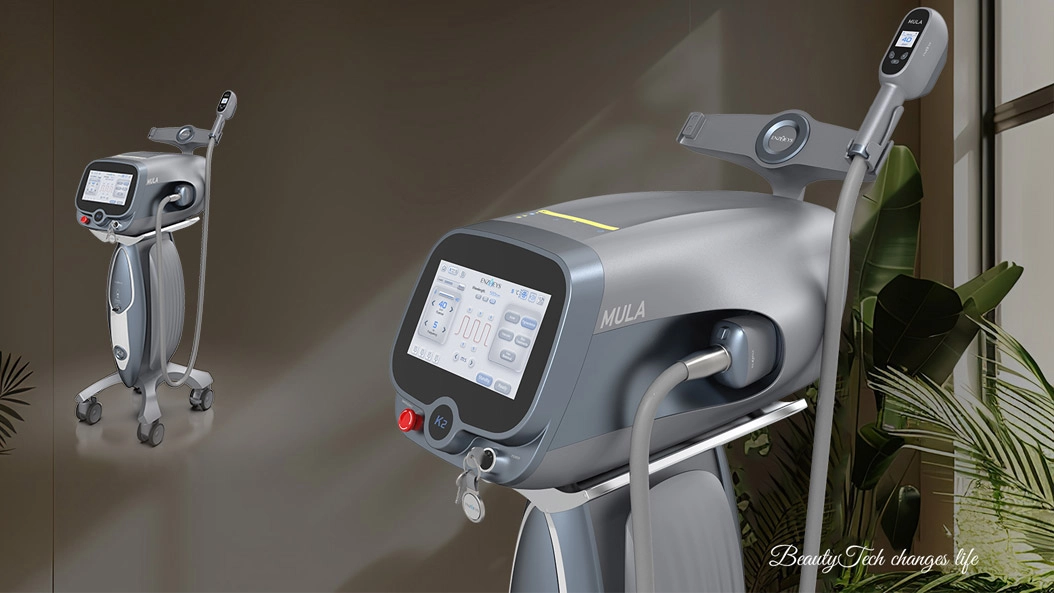
CIELLULU MULA K2 BroadBand Light DPL beauty machine for skin care and hair removal
ACNE/Pigmentation/Vascular Lesions Treatment, Skin Rejuvenation and Hair Removal.
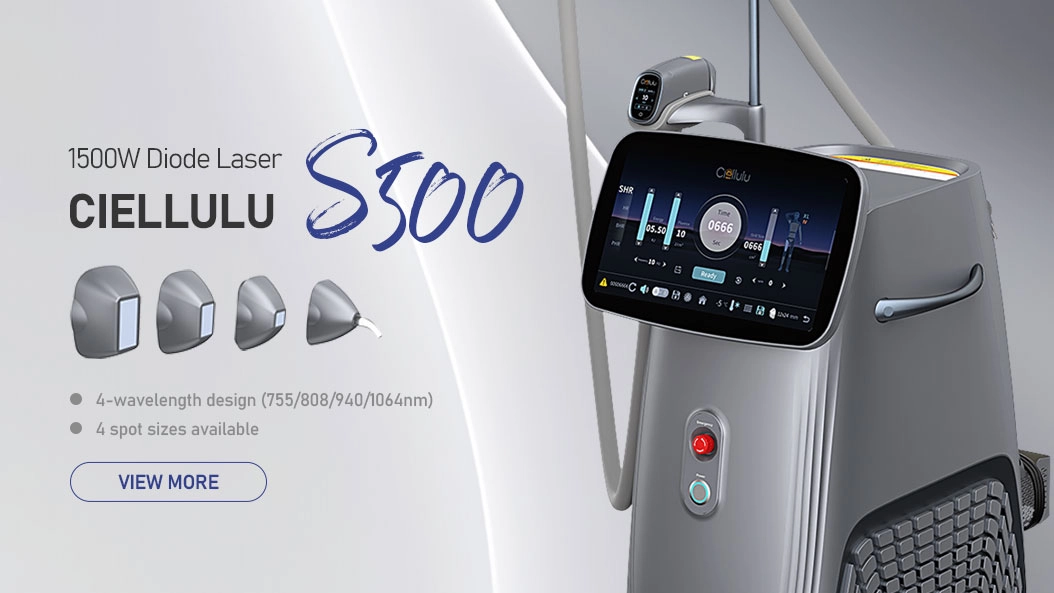
CIELLULU S500 1500W Diode Laser Hair Removal & Skin Rejuvenation Machine
Diode Laser Painless Hair Removal Machine is especially effective on hair follicle melanocytes without causing damage to the surrounding tissue.
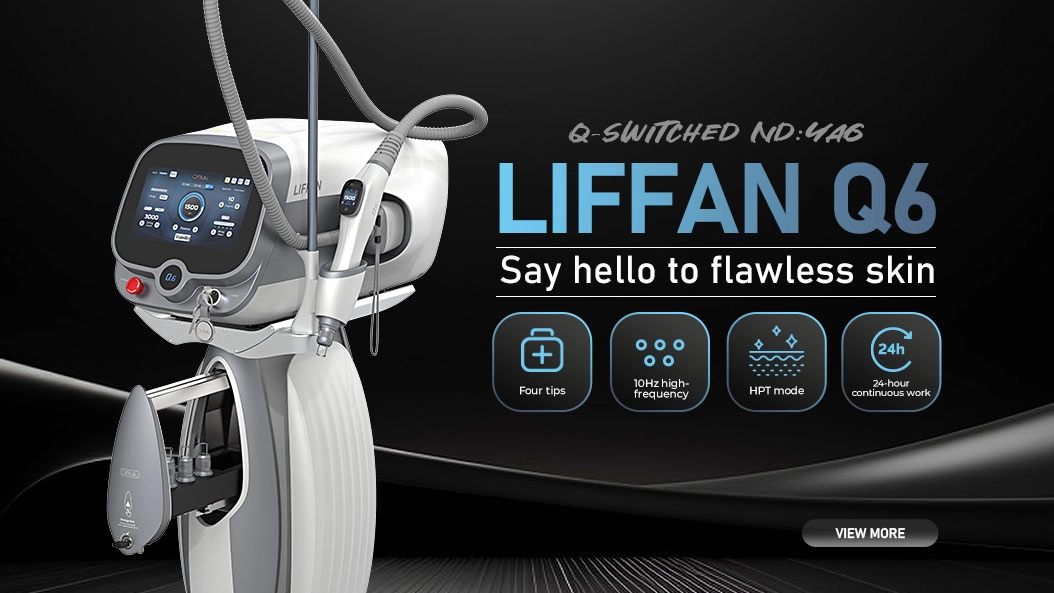
CIELLULU Q-Switched ND:YAG Laser LIFFAN Q6
Pigment Removal & Tattoo Removal & Skin Rejuvenation

Professional Consultation Team

Customized Solutions

24/7 Technical Support

Warranty and Maintenance Plans

Product Series
Contact us
• E-mail: service@probeautydevices.com
• Address: 11/F, HaiHua KeChuang Park, JingHu Road, Huadu District, Guangzhou, China.
Copyright © 2024 CIELLULU. | Privacy Policy • Terms and Conditions